
The March 28, 2020 EF3 Jonesboro Tornado — The Benchmark Event
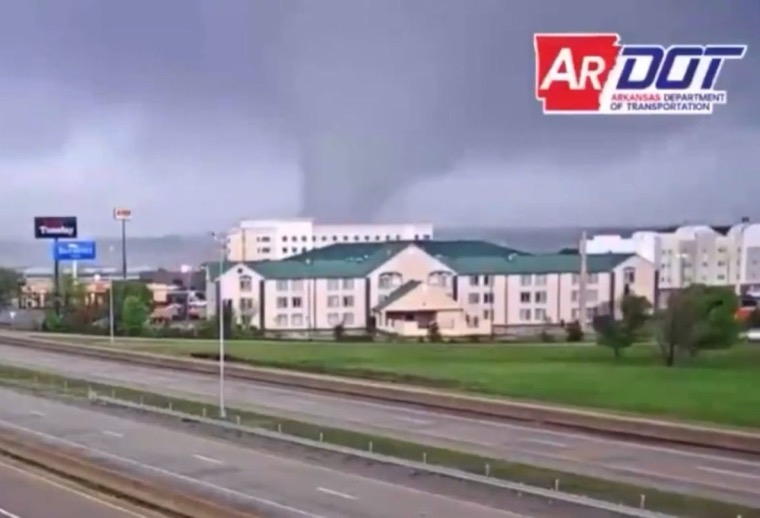
On March 28, 2020, a violent EF3 tornado struck Jonesboro, Arkansas during an active tornado outbreak across the mid-South. The tornado tracked approximately 13 miles across Craighead County, with a path that directly hit the commercial and residential corridor surrounding The Mall at Turtle Creek — one of Jonesboro's most densely populated areas.
2020 Jonesboro EF3 — NOAA-confirmed key figures (Craighead County, March 2020):
Enhanced Fujita Rating: EF3 (severe, third-highest on the 6-point scale)
Estimated maximum winds: approximately 155 mph
Path length: approximately 13 miles across Craighead County
Injuries: at least 22 reported
Direct structural hits: The Mall at Turtle Creek and surrounding residential neighborhoods
Source: NOAA Storm Events Database, Craighead County AR, event date March 28, 2020. Verify at ncei.noaa.gov/stormevents.
The tornado caused extensive tree damage across the northeastern quadrant of Jonesboro. Water oaks — already weakened by a wet winter — failed en masse along the tornado's path. Hackberry and Bradford pear trees, planted throughout the affected neighborhoods in the 1980s–2000s, suffered complete defoliation and structural failure. Emergency tree removal operations continued across Craighead County for months following the event.
Craighead County Storm History — NOAA Context
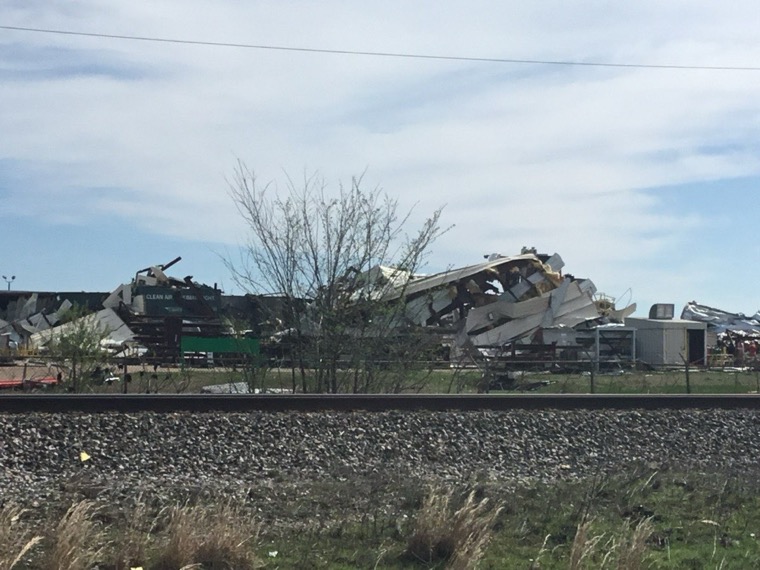
The March 2020 EF3 is the most damaging tornado event in Jonesboro's recent history, but it is not an isolated incident. NOAA's Storm Events Database records a pattern of tornado and severe weather activity for Craighead County spanning decades:
- Significant tornado events have occurred in Craighead County in 2020, 2014, 2012, 2003, and in multiple prior decades (NOAA Storm Events Database)
- Craighead County experiences severe thunderstorm events (high winds, large hail) multiple times per year, which cause tree damage even when not reaching tornado classification
- Ice storms in winter — particularly damaging to hackberry and Bradford pear — occur on a roughly 3–5 year return interval in Northeast Arkansas
Source: NOAA Storm Events Database (ncei.noaa.gov/stormevents). Query: Craighead County AR, Event Type: Tornado. Data accessed 2025.
Northeast Arkansas in "Dixie Alley"
The term "Dixie Alley" was coined by researchers to describe the tornado corridor extending from eastern Texas and Arkansas through Mississippi, Tennessee, Alabama, and western Georgia. Unlike the classic "Tornado Alley" of the Oklahoma/Kansas Plains, Dixie Alley tornadoes share several characteristics that make them particularly destructive:
- Nighttime occurrence: A higher proportion of Dixie Alley tornadoes occur at night when residents are asleep and visibility is zero — significantly elevating casualty risk
- Wooded terrain: The forested landscape of Arkansas means tornadoes cut through standing tree canopy, multiplying debris and causing cascading structural damage to structures that a Plains tornado might miss entirely
- Longer-track tornadoes: Dixie Alley tornado tracks tend to be longer than their Plains counterparts, covering more populated ground
- Warm, moist Gulf air: The proximity to Gulf moisture means tornado-producing supercells in this corridor are fueled by exceptional energy
NOAA Storm Prediction Center research has documented that Dixie Alley produces violent tornadoes (EF2+) at a rate that rivals or exceeds the traditional Great Plains Tornado Alley on a per-square-mile basis, when averaged over multi-decade periods. Source: NOAA/SPC historical tornado database research.
Why This Matters for Tree Owners in NEA
The storm history of Craighead and Greene counties directly informs how homeowners should think about their trees. The question in Jonesboro is not whether a major tornado will affect the area again — history shows these events occur on a roughly decadal cycle at minimum. The question is whether the trees near your home will fail when that event arrives.
Three practical takeaways:
- Pre-storm preparation: Trees that are professionally thinned and deadwooded have substantially lower wind resistance and failure rates in tornado events. Annual inspections for large trees near structures are a worthwhile investment.
- Species selection matters: Water oak, hackberry, and Bradford pear — all extremely common in NEA — are the three most failure-prone species in the region. Awareness of what you have determines your risk level.
- Insurance documentation: Keep dated photos of all trees near your home. When a tornado causes tree damage to a structure, documentation of the tree's condition before the event can be valuable in insurance negotiations.
Concerned about trees near your home in a tornado zone?
Call (888) 217-8143 — Free AssessmentData Sources & Verification
All storm event data on this page is sourced from the NOAA National Centers for Environmental Information (NCEI) Storm Events Database, accessible at ncei.noaa.gov/stormevents. Query Craighead County AR or Greene County AR under Event Type: Tornado, Thunderstorm Wind, or Hail to access historical records.
Property damage figures from tornado events represent preliminary NOAA-recorded estimates and may differ from final insurance or government damage assessments. Wind speed estimates for historic tornadoes are Enhanced Fujita Scale post-event assessments by National Weather Service survey teams.
NEA Tree Storm Risk — Free Assessment
If you have trees near your home and want a professional assessment before the next storm season, call to connect with a licensed local arborist.
Call (888) 217-8143 — Free Estimate